Explore the diversity of wildlife, understand the natural world, and discover how knowledge can inspire responsible coexistence and conservation awareness.
Wildlife Pedia is an educational wildlife encyclopedia created to make reliable, engaging, and accessible wildlife information available to people everywhere.
From familiar animals encountered in neighborhoods and parks to remarkable species inhabiting distant ecosystems, Wildlife Pedia helps readers discover how animals live, interact with their environments, and contribute to the natural world.
Our mission is to make wildlife learning an ongoing journey of discovery—connecting curiosity with understanding, responsible behavior, and appreciation for biodiversity.
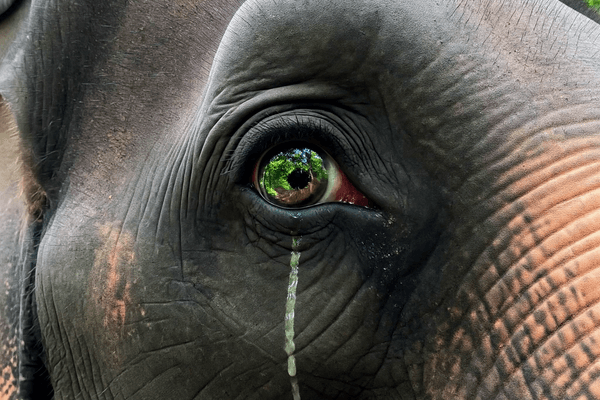
OUR PURPOSE
Our Mission: Explore, Understand, Protect
Wildlife Pedia exists to help people discover wildlife, understand its ecological importance, and develop a deeper appreciation for the natural world.
We believe meaningful conservation awareness begins with knowledge. By presenting wildlife information in clear, accessible language, we encourage readers to move beyond simply recognizing animals toward understanding their behaviors, habitats, challenges, and relationships with people.
Our mission brings together three principles: explore the diversity of life, understand the natural systems that sustain it, and protect wildlife through informed, responsible choices.
- • Explore wildlife species and their unique characteristics
- • Understand animal behavior, habitats, and ecological relationships
- • Recognize conservation challenges affecting wildlife
- • Encourage informed and responsible coexistence
Explore Wildlife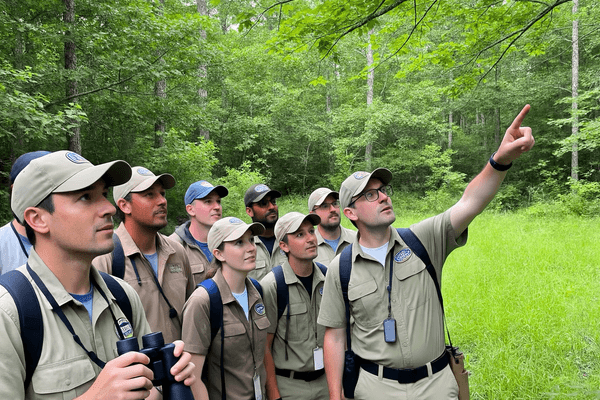
WILDLIFE LEARNING
Wildlife Education for Everyone
Learning about wildlife should not require specialized scientific training. Wildlife Pedia translates important wildlife knowledge into clear, approachable information that readers can explore at their own pace.
Our species profiles introduce animals through their physical characteristics, habitats, geographic ranges, diets, behaviors, and conservation status.
Whether someone is identifying an animal seen on a walking trail, preparing a classroom lesson, or discovering an unfamiliar species, Wildlife Pedia provides a starting point for meaningful learning.
- • Accessible species profiles and wildlife facts
- • Information for students, families, and educators
- • Wildlife identification and natural history
- • Opportunities for independent discovery and lifelong learning
Discover Species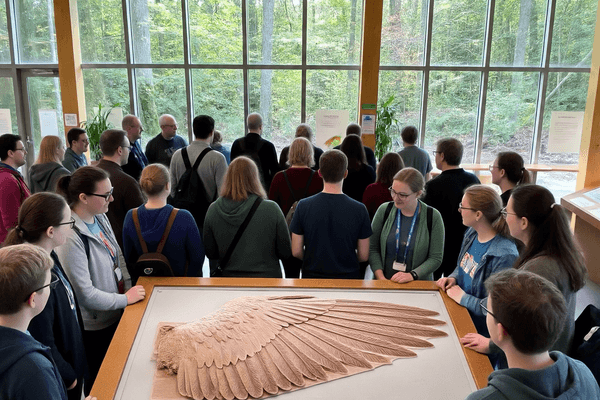
A WORLD OF WILDLIFE
Global Wildlife Knowledge, Connected Perspectives
Wildlife Pedia explores animals and ecosystems across the world, recognizing that wildlife education is relevant wherever people live.
Our perspective also recognizes the importance of Africa's extraordinary biodiversity and the conservation challenges facing many of its species. African wildlife provides valuable opportunities to understand habitat protection, ecological relationships, and the connections between wildlife and local communities.
By connecting African conservation perspectives with wildlife experiences across other continents, we encourage readers to recognize both the diversity of ecosystems and the shared responsibility of understanding the natural world.
- • Wildlife species from Africa and around the world
- • African biodiversity and conservation perspectives
- • Local wildlife encounters and global ecological connections
- • Understanding shared wildlife conservation challenges
Explore Wildlife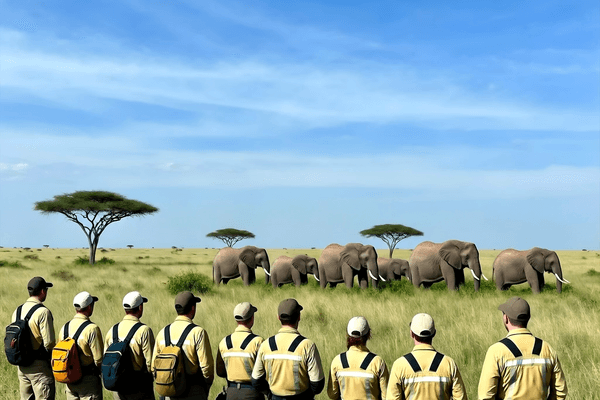
THE NATURAL WORLD
Understanding Where Wildlife Lives
Every species exists within an environment shaped by climate, vegetation, water, food availability, and relationships with other organisms.
Wildlife Pedia helps readers explore these connections by explaining the habitats animals depend on and the ecological roles they perform.
From forests and grasslands to wetlands, deserts, mountains, and coastal environments, understanding habitats reveals why protecting biodiversity involves more than protecting individual animals
- • Forests, grasslands, wetlands, and other ecosystems
- • Relationships between species and their habitats
- • Food webs and ecological balance
- • The effects of environmental change on wildlife
Explore Species and Habitats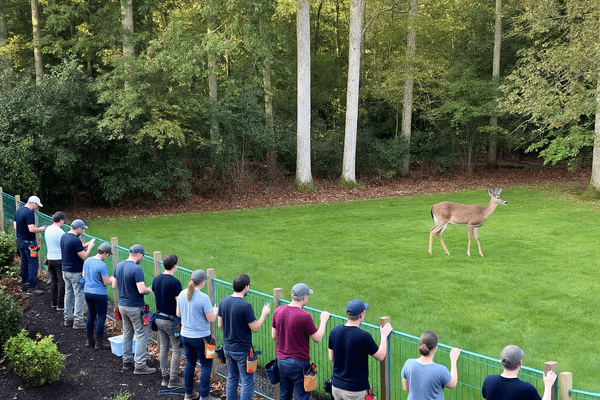
LIVING ALONGSIDE WILDLIFE
Sharing Spaces with Wildlife Responsibly
Wildlife encounters are part of everyday life, whether they happen in a backyard, neighborhood park, nature reserve, or wilderness area.
Wildlife Pedia promotes informed, respectful interactions by helping readers understand animal behavior, recognize potential risks, and appreciate the importance of maintaining appropriate boundaries.
Responsible coexistence means recognizing that wildlife belongs in natural ecosystems while understanding how human activities can influence animal behavior and safety.
- • Respecting wildlife and maintaining safe distances
- • Understanding animal behavior during encounters
- • Avoiding feeding, disturbing, or unnecessarily handling wildlife
- • Reducing preventable human–wildlife conflict
Learn About Coexistence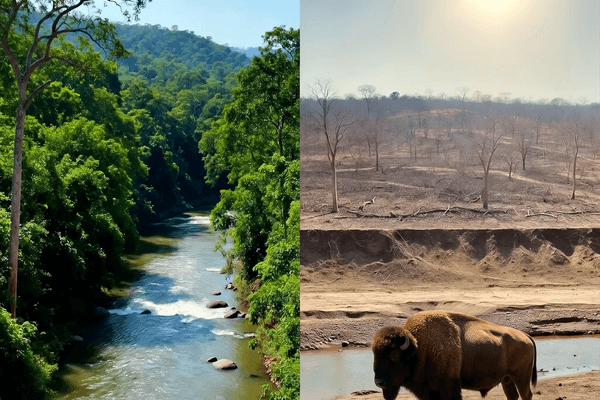
WHY CONSERVATION MATTERS
Understanding the Challenges Wildlife Faces
Wildlife conservation begins with understanding the pressures affecting species and the ecosystems that support them.
Habitat loss, fragmentation, illegal wildlife trade, pollution, climate change, and human–wildlife conflict can threaten biodiversity in different ways.
Wildlife Pedia explains these challenges in an educational context, helping readers understand conservation status, the importance of healthy ecosystems, and how informed choices can contribute to a more wildlife-conscious society.
Our role is to strengthen conservation understanding through education rather than present Wildlife Pedia as a wildlife rescue or field conservation organization.
- • Understanding threatened and endangered species
- • Recognizing major pressures on wildlife populations
- • Learning about habitat and biodiversity protection
- • Connecting wildlife knowledge with conservation awareness
Explore Conservation
OUR EDITORIAL COMMITMENT
Wildlife Knowledge Built on Accuracy and Clarity
Reliable information is essential to meaningful wildlife education.
Wildlife Pedia aims to present species information clearly, responsibly, and consistently, drawing on established scientific knowledge and recognized conservation references where appropriate.
We distinguish conservation status from potential risks to humans, avoid sensationalizing wildlife behavior, and recognize that species populations, classifications, and conservation assessments can change as scientific understanding develops.
Our long-term commitment is to build a useful and evolving wildlife knowledge resource that readers can approach with curiosity and confidence.
- • Clear and consistent species information
- • Scientific names and recognized conservation classifications
- • Responsible explanations of wildlife behavior and safety
- • Ongoing review and improvement of educational content
Get Involved with Wildlife-Pedia